Cancer Symptoms and Treatment: Everything You Need to Know
Cancer affects millions of people every year, but remarkable advancements in medical science have transformed how it is diagnosed and treated. Understanding symptoms, risk factors, diagnosis, and treatment options can improve survival rates and quality of life.
Cancer is one of the most significant health challenges worldwide, affecting millions of people every year regardless of age, gender, or lifestyle. Although receiving a cancer diagnosis can be life-changing, remarkable advancements in medical science have transformed the way cancer is diagnosed and treated. Cancer Treatment can be managed successfully, especially when it is detected at an early stage. Increased awareness, regular health check-ups, and timely medical consultation can contribute to improved survival rates and better quality of life for countless patients.
Depending on where it begins, cancer can affect almost any organ, including the mouth, lungs, breast, liver, colon, and blood. Some cancers progress slowly, while others spread aggressively and require immediate medical attention.
Understanding the warning signs, recognizing potential risk factors, and knowing when to seek medical care are essential steps towards protecting your health.
Modern cancer treatment has evolved considerably over the past decade. With the support of experienced oncologists, advanced diagnostic technologies, and personalised treatment plans, patients now have access to safer and more effective therapies than ever before. This article explains the fundamentals of cancer, its common types, symptoms, diagnosis, available treatment options, and practical ways to reduce the risk of developing the disease.
Common Types of Cancer
Medical professionals recognise more than one hundred different forms of cancer. While some are more common than others, each requires specialised evaluation and treatment.
Among the most frequently diagnosed cancers are:
- Oral cancer
- Mouth cancer
- Lung cancer
- Breast cancer
- Colorectal cancer
- Cervical cancer
- Prostate cancer
- Liver cancer
- Blood cancer (Leukemia)
- Skin cancer
Successful treatment often depends on how early the disease is detected. Regular health screenings and awareness of unusual symptoms can significantly improve outcomes.
Causes and Risk Factors of Cancer
Cancer does not usually develop because of a single cause. Instead, it often results from a combination of genetic, environmental, and lifestyle factors. While some risk factors cannot be changed, many are preventable through healthy lifestyle choices.
Tobacco use remains one of the leading causes of several cancers, particularly oral cancer, mouth cancer, and lung cancer. Both smoking and chewing tobacco expose body tissues to harmful chemicals that damage DNA over time. Excessive alcohol consumption further increases the risk, especially when combined with tobacco use.
Diet and physical activity also influence cancer risk. A diet rich in processed foods and low in fruits and vegetables may contribute to obesity, which is associated with several cancers. Lack of regular exercise can further increase this risk by affecting hormone levels and overall metabolic health.
Environmental exposure to pollutants, harmful chemicals, and excessive ultraviolet radiation may also damage healthy cells. Infections caused by viruses such as Human Papillomavirus (HPV) and Hepatitis B are recognised risk factors for certain cancers.
Signs and Symptoms of Cancer
One of the greatest challenges in cancer care is that symptoms often develop gradually and may initially appear harmless. Many early warning signs resemble common illnesses, leading some individuals to delay seeking medical advice.
Persistent fatigue, unexplained weight loss, recurring fever, or ongoing pain without an obvious cause should never be ignored. Similarly, the appearance of an unusual lump anywhere in the body deserves medical evaluation.
Oral cancer and mouth cancer frequently present with symptoms such as persistent mouth ulcers, white or red patches inside the mouth, difficulty chewing, pain while swallowing, or a sore that fails to heal within two weeks. People who use tobacco products are particularly vulnerable and should undergo regular oral examinations.
Lung cancer may initially cause a persistent cough that lasts several weeks. As the disease progresses, symptoms such as chest pain, breathlessness, hoarseness of voice, repeated chest infections, or coughing up blood may occur. These symptoms should be assessed promptly by a healthcare professional.
Common warning signs include:
- Persistent fatigue
- Unexplained weight loss
- A lump or swelling
- Non-healing mouth ulcers
- Persistent cough
- Difficulty swallowing
- Unexplained bleeding
- Changes in bowel or bladder habits
Although these symptoms are not always caused by cancer, early medical evaluation is essential to determine the underlying cause.
When Should You Seek Medical Advice?
Many people postpone medical consultation because they assume their symptoms will improve on their own. Unfortunately, delayed diagnosis often allows cancer to progress to more advanced stages, making treatment more complex.
You should seek medical advice if you notice symptoms that persist for more than two weeks, especially if they worsen over time. Persistent mouth ulcers, unexplained bleeding, long-lasting cough, unexplained weight loss, or a newly developed lump should always be assessed by a qualified healthcare professional.
Regular health check-ups are equally important for individuals with a family history of cancer or those exposed to significant risk factors such as smoking, alcohol use, or occupational hazards.
Do All Types of Cancer Require the Same Treatment?
Cancer treatment is rarely managed by a single doctor. Instead, patients receive care from a multidisciplinary team that collaborates to develop an individualized treatment plan.
Depending on the type and stage of cancer, the healthcare team may include Medical Oncologists, who oversee chemotherapy, immunotherapy, targeted therapy, and medication-based treatments. Surgical Oncologists perform procedures to remove tumors when surgery is appropriate, while Radiation Oncologists use advanced radiation techniques to destroy cancer cells with precision.
Patients with oral cancer or mouth cancer may also be treated by Oral and Maxillofacial Surgeons and ENT Specialists, whereas those diagnosed with lung cancer often receive additional care from Pulmonologists and Thoracic Surgeons. Radiologists, Pathologists, Oncology Nurses, Dietitians, and Rehabilitation Specialists also contribute significantly to comprehensive cancer care, ensuring that patients receive support throughout every stage of treatment and recovery.
Cancer Diagnosis: Tests, Screening and Early Detection Methods
Accurate diagnosis is the first step towards effective cancer treatment. Modern healthcare facilities use advanced imaging techniques and laboratory investigations to determine the type, location, and stage of the disease.
Doctors begin by reviewing the patient's medical history and performing a detailed physical examination. Depending on the symptoms, further investigations may be recommended to confirm the diagnosis and assess whether the cancer has spread.
Common diagnostic tests include:
- Blood tests
- Tumour marker tests
- Biopsy
- Fine Needle Aspiration Cytology (FNAC)
- CT Scan
- MRI Scan
- PET-CT Scan
- Ultrasound
- Endoscopy
The results of these investigations help doctors develop the most appropriate treatment plan based on the patient's specific condition.
Cancer Treatment in the Modern Era of Medical Science
Cancer treatment has become increasingly personalised, allowing specialists to select therapies that provide the greatest benefit while reducing unnecessary side effects. Treatment decisions are influenced by several factors, including the type of cancer, its stage, the patient's age, overall health, and personal preferences.
Surgery remains one of the most effective treatment options for cancers detected at an early stage. The objective is to remove the tumour completely while preserving surrounding healthy tissues whenever possible. Advances in minimally invasive and robotic-assisted surgery have further improved precision and recovery times for many patients.
Chemotherapy uses specialised medicines to destroy rapidly dividing cancer cells. Depending on the clinical situation, chemotherapy may be administered before surgery to shrink a tumour, after surgery to eliminate remaining cancer cells, or as the primary treatment for cancers that cannot be removed surgically. Modern supportive medications have also helped reduce many of the side effects traditionally associated with chemotherapy.
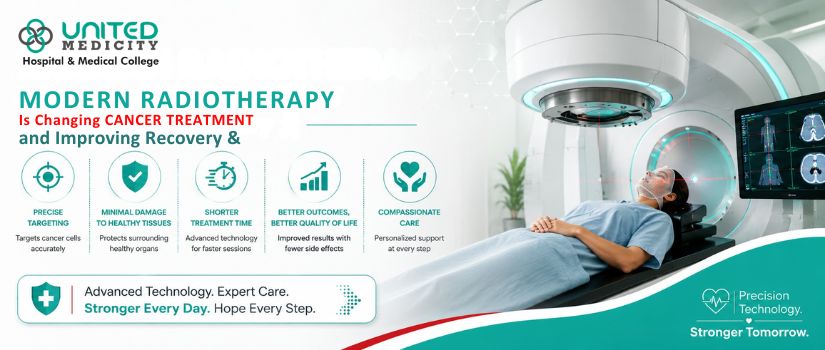
Radiation therapy employs carefully targeted high-energy radiation to destroy cancer cells while minimising damage to nearby healthy tissues. Technological advancements have made radiation treatment more accurate and effective, improving treatment outcomes for many patients.
Immunotherapy represents one of the most significant breakthroughs in cancer care. Instead of attacking cancer directly, this treatment enhances the body's own immune system, enabling it to recognise and eliminate cancer cells more effectively. It has shown promising results in several advanced cancers, including certain forms of lung cancer.
Targeted therapy focuses on specific genetic mutations or proteins responsible for cancer growth. Because these treatments are designed to attack particular characteristics of cancer cells, they may offer improved effectiveness with fewer side effects compared with conventional chemotherapy.
For hormone-sensitive cancers such as breast and prostate cancer, hormone therapy may be recommended to block hormones that stimulate tumour growth. In advanced cases, palliative care plays an equally important role by managing symptoms, relieving pain, and improving overall quality of life throughout treatment.
Life After Treatment: Recovery and Care
Recovery from cancer extends well beyond completing treatment. Many patients require ongoing medical follow-up, nutritional guidance, emotional support, and lifestyle modifications to maintain long-term health.
A balanced diet rich in fresh fruits, vegetables, whole grains, and lean protein supports healing and strengthens the immune system. Regular physical activity, as advised by healthcare professionals, can improve energy levels, reduce fatigue, and enhance emotional wellbeing. Patients are also encouraged to avoid tobacco products, limit alcohol consumption, maintain a healthy weight, and attend all scheduled follow-up appointments.
Emotional recovery is equally important. Counselling, support groups, and open communication with family members can help patients cope with the psychological challenges associated with cancer diagnosis and treatment.
Prevention Tips
Although not every case of cancer can be prevented, adopting healthier lifestyle habits can substantially reduce the overall risk.
Simple preventive measures include:
- Avoid all forms of tobacco
- Limit alcohol consumption
- Eat a nutritious, balanced diet
- Maintain a healthy body weight
- Exercise regularly
- Protect your skin from excessive sunlight
- Practise good oral hygiene
- Receive recommended vaccinations such as HPV and Hepatitis B where appropriate
- Participate in routine health screenings
- Seek medical advice promptly if unusual symptoms develop
These preventive strategies support overall health and increase the likelihood of detecting disease before it becomes advanced.
General Questions About Cancer
Can cancer be cured?
Many cancers can be treated successfully, particularly when diagnosed at an early stage. Treatment outcomes depend on the type of cancer, its stage, and the patient's overall health.
Is every tumour cancerous?
No. Benign tumours are non-cancerous and generally do not spread, whereas malignant tumours are cancerous and can invade surrounding tissues.
What is the difference between oral cancer and mouth cancer?
The terms are often used interchangeably. Mouth cancer commonly refers to cancers affecting the lips, tongue, gums, inner cheeks, and roof or floor of the mouth, all of which fall under the broader category of oral cancer.
Can non-smokers develop lung cancer?
Yes. Although smoking is the leading cause, lung cancer can also occur due to second-hand smoke, air pollution, occupational exposure, genetic factors, or previous lung diseases.
How important is early diagnosis?
Early diagnosis significantly improves treatment success, increases survival rates, and often allows for less extensive treatment.
Should I undergo regular cancer screening?
Individuals with risk factors such as age, family history, tobacco use, or certain infections should discuss appropriate screening schedules with their healthcare provider.
Why Choose United Medicity for Cancer Treatment?
United Medicity is committed to providing comprehensive and compassionate cancer treatment through a team of experienced Medical Oncologists, Surgical Oncologists, and other cancer specialists. With advanced diagnostic facilities and modern treatment options, we ensure every patient receives an accurate diagnosis and a personalised treatment plan.
From chemotherapy and cancer surgery to targeted therapy and supportive care, our multidisciplinary approach focuses on achieving the best possible outcomes while improving the patient's quality of life. Whether you are seeking treatment for oral cancer, mouth cancer, lung cancer, or other types of cancer, United Medicity offers expert care, advanced technology, and continuous support at every stage of your treatment journey.
Comments (0)
No comments yet. Be the first to comment!